
Team

Conor J. McMeniman, Ph.D.
Associate Professor
Conor received his BSc with first-class honors in Parasitology in 2003 and a Ph.D. in Biological Science in 2009 from The University of Queensland, Australia. During his Ph.D., Conor established various strains of the bacterium Wolbachia pipientis from Drosophila melanogaster in the yellow fever mosquito Aedes aegypti. This work with Scott L. O’Neill yielded a novel self-sustaining strategy to block transmission of dengue and other viruses in wild mosquito populations using Wolbachia; currently deployed in 12 countries worldwide to improve public health. From 2009-2015, Conor was a Human Frontier Science Program Postdoctoral Fellow at The Rockefeller University, New York with Leslie B. Vosshall. This work illuminated the molecular mechanics of Aedes aegypti CO2 detection and the key role that multisensory integration plays in driving mosquito attraction towards humans. In September 2015, Conor joined Johns Hopkins Bloomberg School of Public Health to establish his group in the Department of Molecular Microbiology and Immunology, and Johns Hopkins Malaria Research Institute. Conor is Director of the JHMRI Insectary Facility, and is jointly appointed to the Department of Neuroscience at Johns Hopkins School of Medicine.
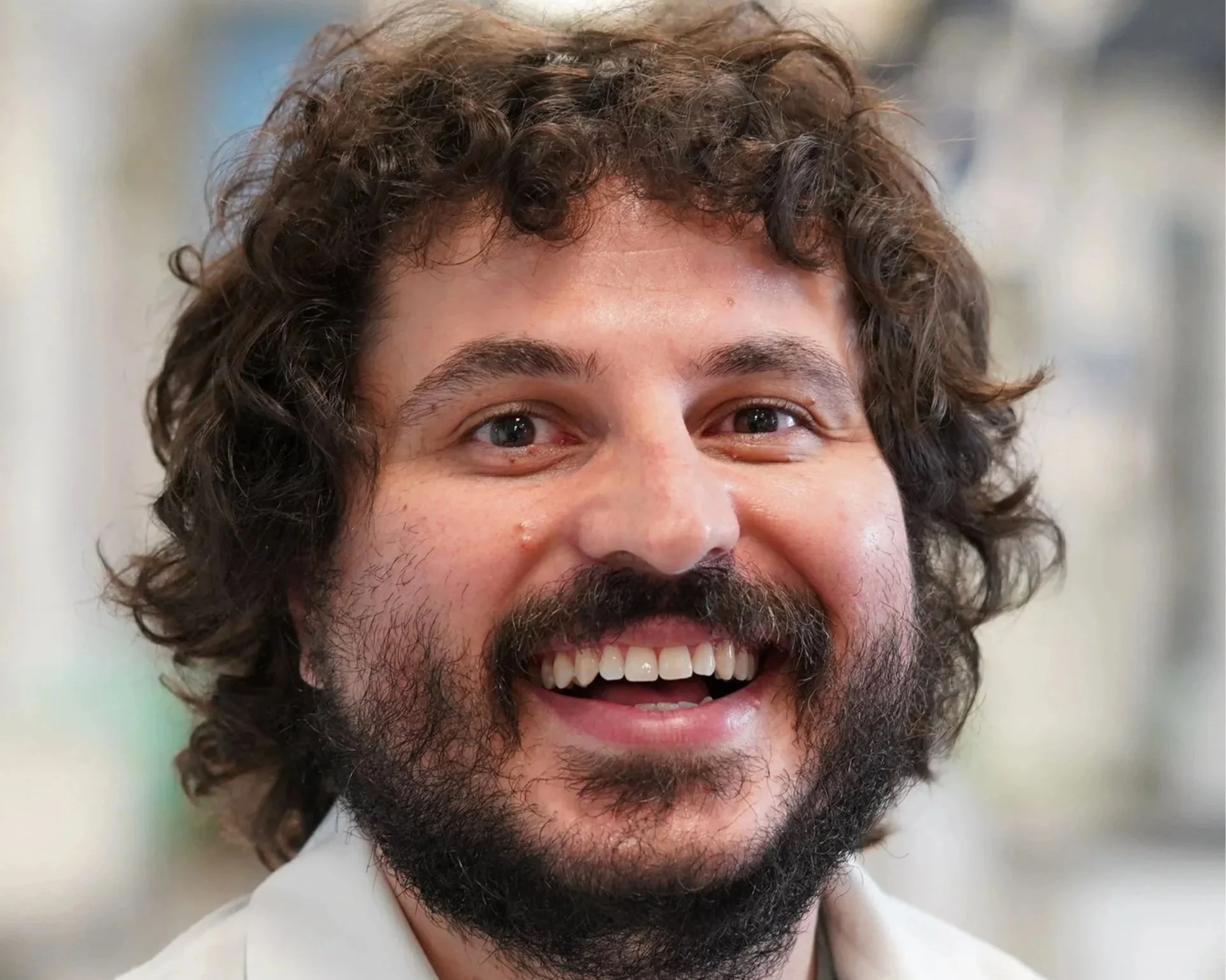
Diego Giraldo, Ph.D.
Research Associate
Diego received his BSc in Biology in 2012 at Universidad de los Andes in Bogota, Colombia. He then moved to the University of Göttingen in Germany, where he joined the International Max Planck Research School for Neurosciences from 2012-2018 and obtained his MSc. and Ph.D. in Neurosciences. For his Ph.D. he joined the Department of Cellular Neurobiology at the Schwann-Schleiden Research Center and worked under the supervision of Bart Geurten and Martin Göpfert. Diego joined the McMeniman lab in January 2019 to study the neuromodulation of mosquito attraction to humans at a molecular and circuit level using functional imaging, behavioral assays and neuroanatomy. Diego has also led efforts in the McMeniman lab to develop semi-field behavioral assays to study mosquito olfactory preference towards humans in Zambia. Diego is a recipient of a 2019 Human Frontier Science Program Long-Term Postdoctoral Fellowship and 2022 Johns Hopkins Malaria Research Institute postdoctoral fellowship.
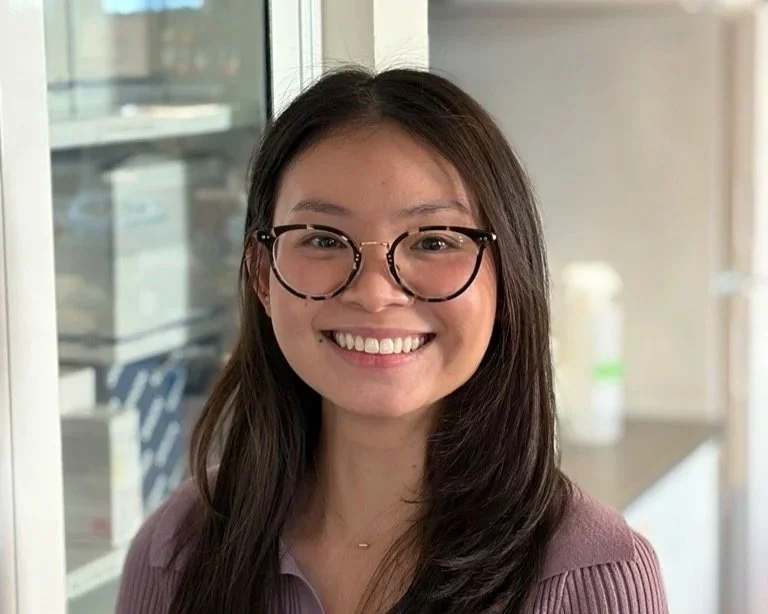
Elaine Chu, Ph.D.
Postdoctoral Fellow
Elaine received her BSc in Entomology in 2017 at Texas A&M University in College Station, Texas. Shortly after graduating, she moved to Houston, Texas to work at the Mosquito and Vector Control Division at Harris County Public Health from 2017-2020. There, she monitored the prevalence of insecticide resistance among field collected mosquitoes of Harris County and conducted field-based studies to test alternative mosquito control technology to integrate into the control program. From 2020-2024, she conducted her PhD at the Department of Biology and Biomolecular Sciences Institute at Florida International University with Matthew DeGennaro where she studied hygrosensation in the yellow fever mosquito. Elaine joined the McMeniman lab in August 2025 to conduct semi-field behavioral assays to study mosquito olfactory preference towards humans in Zambia and develop serological assays for mosquito bite exposure.
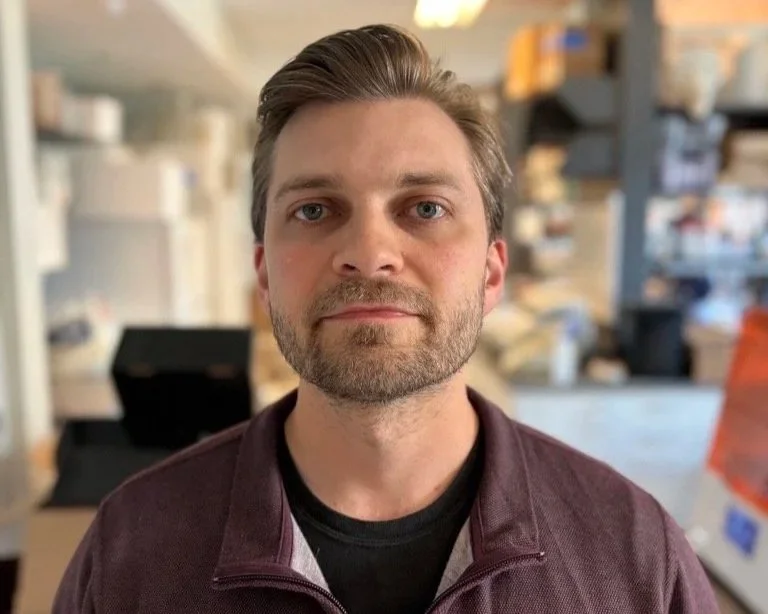
Hunter Batchelder, Ph.D.
Postdoctoral Fellow
Hunter Batchelder, PhD, received his BSc in Biological Chemistry at University of Toronto in 2015 where he worked under Dr. Mark Nitz studying the glycobiology of infectious diseases. He went on to receive a PhD in Organic Chemistry from Johns Hopkins University in 2022 and receive the JHU Owens Scholar Award. Here he worked under Dr. Craig Townsend designing and synthesizing antibiotics to treat Mycobacterium tuberculosis and other mycobacterial infections. Upon graduating, Hunter was hired as a research analyst and writer for the drug discovery forum DrugHunter.com. Additionally, he started his own educational company for high school students pursuing academic research. Hunter joined the McMeniman lab as a postdoctoral fellow in October 2025, focusing on identification of molecules in human scent that drive mosquito olfactory attraction and preferences towards humans.
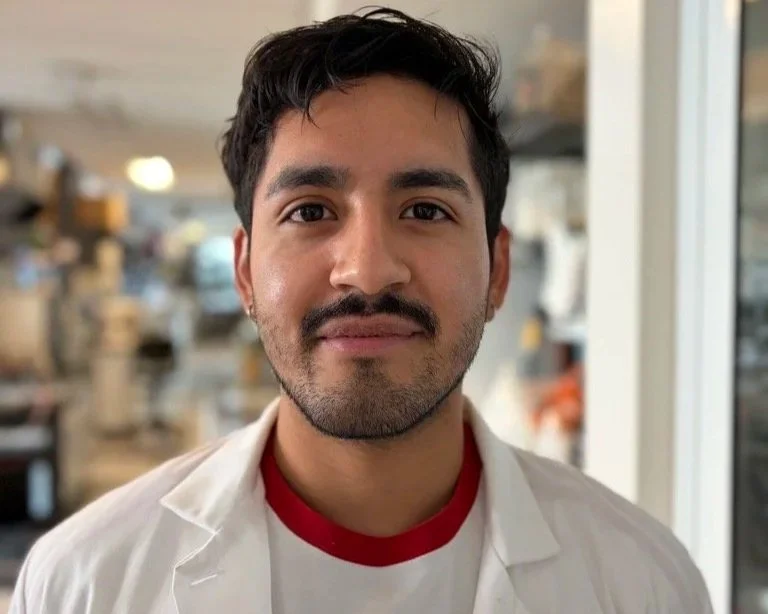
Stefano Garcia Castillo
Ph.D. student
Stefano received his BSc in Biology from Cayetano Heredia University in Lima, Peru in 2019 and a Clinical Research Certificate from the same institution in 2022. From 2018-2022, as an undergraduate and postbac, Stefano researched the epidemiology of Plasmodium vivax infection in the Peruvian Amazon with Dionicia Gamboa; the acoustic behavior of mating swarms of Anopheles gambiae with Laura Harrington at Cornell University; and was awarded the Belgian Directorate for Development Co-operation (DGD) scholarship at the Institute of Tropical Medicine at Antwerp to study the clonality of Peruvian Plasmodium falciparum and Plasmodium vivax infections using bioinformatic approaches. Stefano entered the Molecular Microbiology and Immunology (MMI) Ph.D. training program at Johns Hopkins Bloomberg School of Public Health in August 2022, and joined the McMeniman lab in August 2024. For his Ph.D. project, Stefano is identifying protein ligands for targeted CRISPR-Cas9 delivery into Anopheles gambiae oocytes. Stefano is a recipient of a 2025 Predoctoral Fellowship Award from the Johns Hopkins Malaria Research Institute.
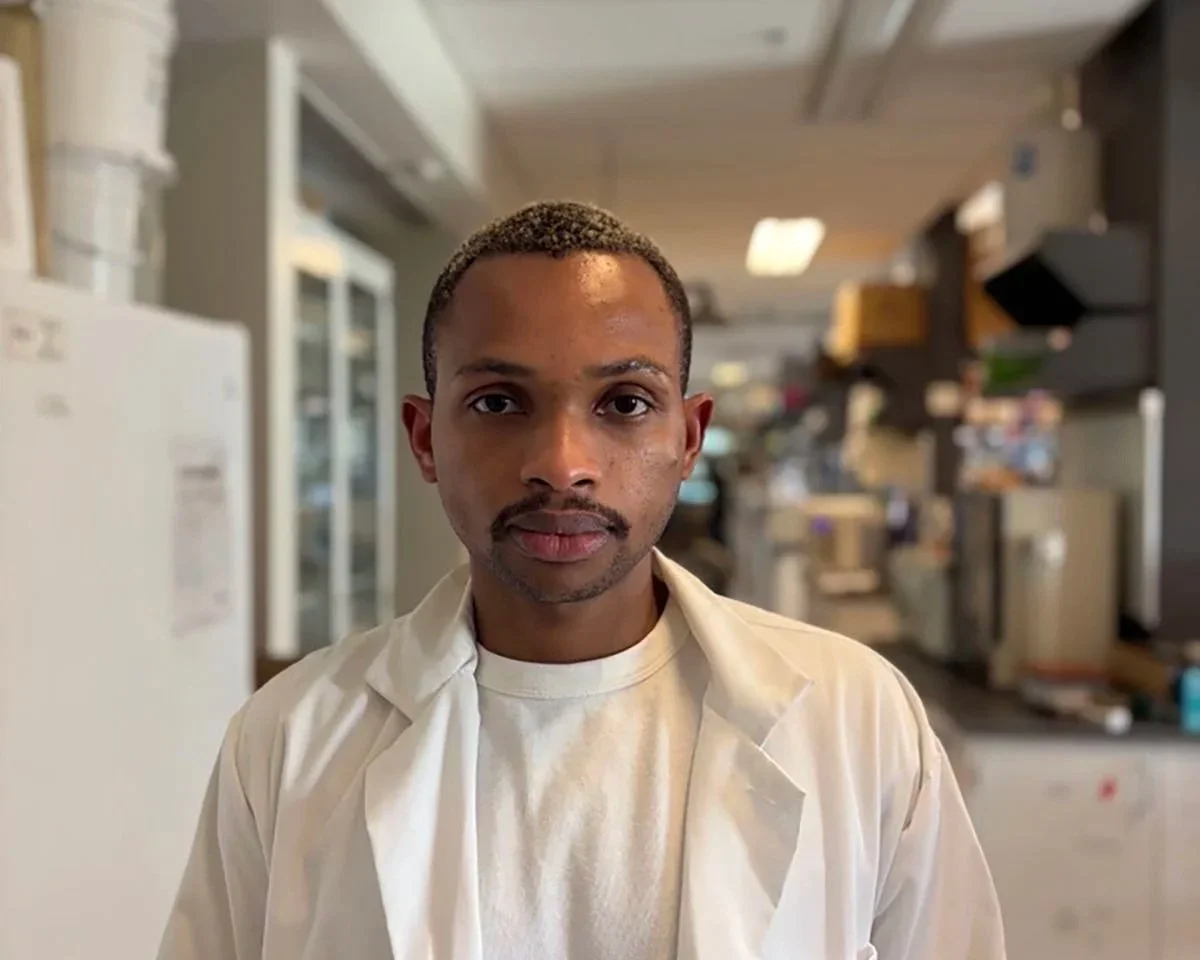
Lusajo Mwakibete
Ph.D. student
Lusajo received his BA in Molecular Biology at Pomona College in 2019. Upon graduation, Lusajo moved to San Francisco to work in the Rapid response team at the Chan Zuckerberg Biohub San Francisco from 2020-2023. Here, Lusajo assisted international and domestic groups in employing metagenomics and next generation sequencing for pathogen detection and surveillance. Among these various collaborations, Lusajo applied these methods to characterize potential etiologies of non-malarial fever in a cohort living in a high malaria burden area of Uganda with Bryan Greenhouse at UCSF. Lusajo is interested in leveraging genomics as an effort to mitigate infectious disease outbreaks through the one health approach. Lusajo entered the Molecular Microbiology and Immunology (MMI) Ph.D. training program at Johns Hopkins Bloomberg School of Public Health in August 2023, and joined the McMeniman lab in October 2023. For his Ph.D. project, Lusajo aims to identify chemosensory circuitry implicated in attraction of Anopheles gambiae towards human scent. Lusajo is a recipient of a 2026 Predoctoral Fellowship Award from the Johns Hopkins Malaria Research Institute.
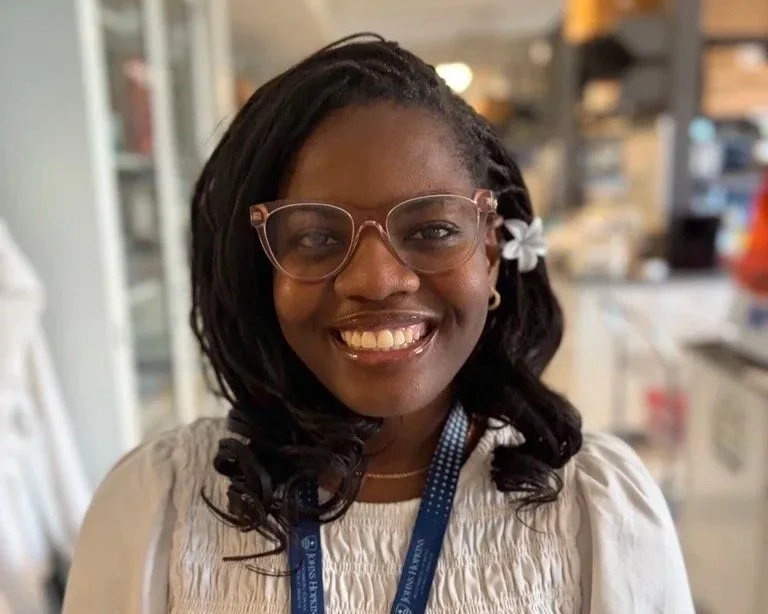
Destinee Biyoudi-Monthe
Masters student
Destinee is a second‑year ScM student in Department of Molecular Microbiology and Immunology at Johns Hopkins Bloomberg School of Public Health. She graduated from George Mason University in 2025 with a B.S. in Biology, where she worked as a Genetics and Immunology Laboratory Technician and an Immunology Undergraduate Researcher. Her undergraduate research examined the innate immune system of Drosophila melanogaster, focusing on the Toll pathway and the Immune Deficiency (IMD) pathway by challenging flies with Escherichia coli and Candida glabrata to study pathway activation and potential interactions. She also completed a summer internship in 2024 at UT Southwestern Medical Center with David Farrar investigating adrenergic receptor-mediated immune responses. Destinee joined the lab in October 2025, and her current work focuses on identifying genomic regions in Anopheles gambiae suitable for CRISPR-Cas9 based gene drive strategies for malaria control.
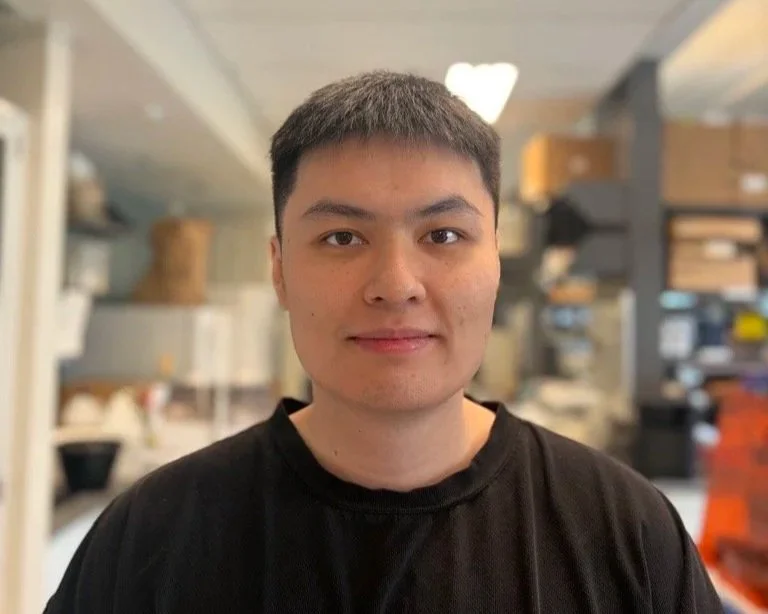
Ziyang Chen
Sr. Research Assistant
Ziyang received his Bachelor of Science in Animal Science from Pennsylvania State University, State College, PA, in 2024. As an undergraduate, he conducted research in ruminant nutrition, contributing to studies on dairy cow feed efficiency by collecting biological samples, analyzing digestion, and evaluating experimental data. He also served as a biology and chemistry tutor. Ziyang completed an industry internship as a laboratory assistant at Zhendong Pharmaceutical in Shanxi, China, where he supported medicinal plant research and quality assessment. Ziyang joined the McMeniman lab in September 2024 during his Master of Science in Biotechnology degree at Johns Hopkins University which he obtained in Spring 2026. He is now a senior Research Assistant in the group. In the McMeniman lab, Ziyang investigates the behavior of Aedes aegypti and Anopheles mosquitoes, with a focus on host-seeking and oviposition site search.
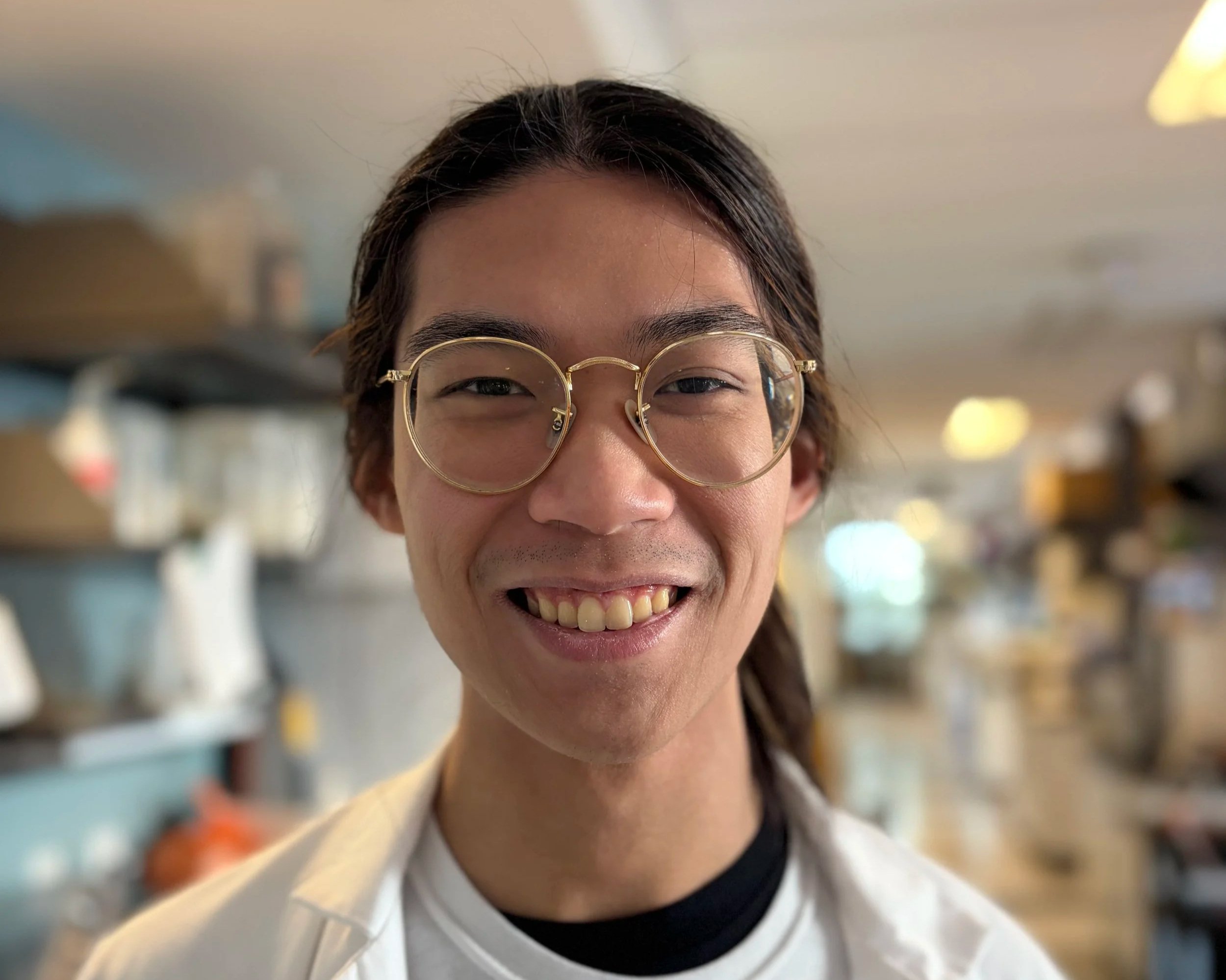
Ethan Goroza
Sr. Research Assistant
Ethan received his BSc in Mathematical and Computational Biology at Harvey Mudd College in 2025. As an undergraduate under the guidance of Danae Schulz, he helped develop a system in Trypanosoma brucei parasites using dCas9 to investigate if the bromodomain protein Bdf3 is sufficient to activate expression of the invariant surface protein EP1. He is broadly interested in synthetic biology and parasitology. Ethan joined the McMeniman lab in August 2025, where he is working on development of expanded functional genetic toolkits in Aedes aegypti and Anopheles gambiae.
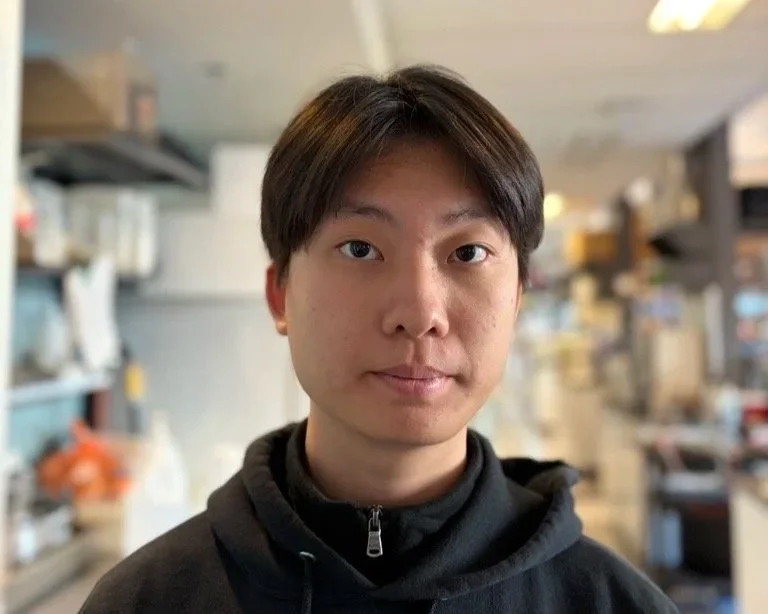
Joseph Kim
Undergraduate Fellow
Joseph commenced his Bachelor of Science degree in Molecular and Cellullar Biology and Public Health at Johns Hopkins University in Fall 2024, and joined the McMeniman lab as an undergraduate research fellow in February 2025. In the lab, Joseph is working under the mentorship of Stefano Garcia Castillo and Diego Giraldo on mosquito neurogenetics. Joseph has an interest in synthetic biology and protein engineering and is currently working with Stefano Garcia Castillo on the development of novel functional genetic tools in Anopheles gambiae.
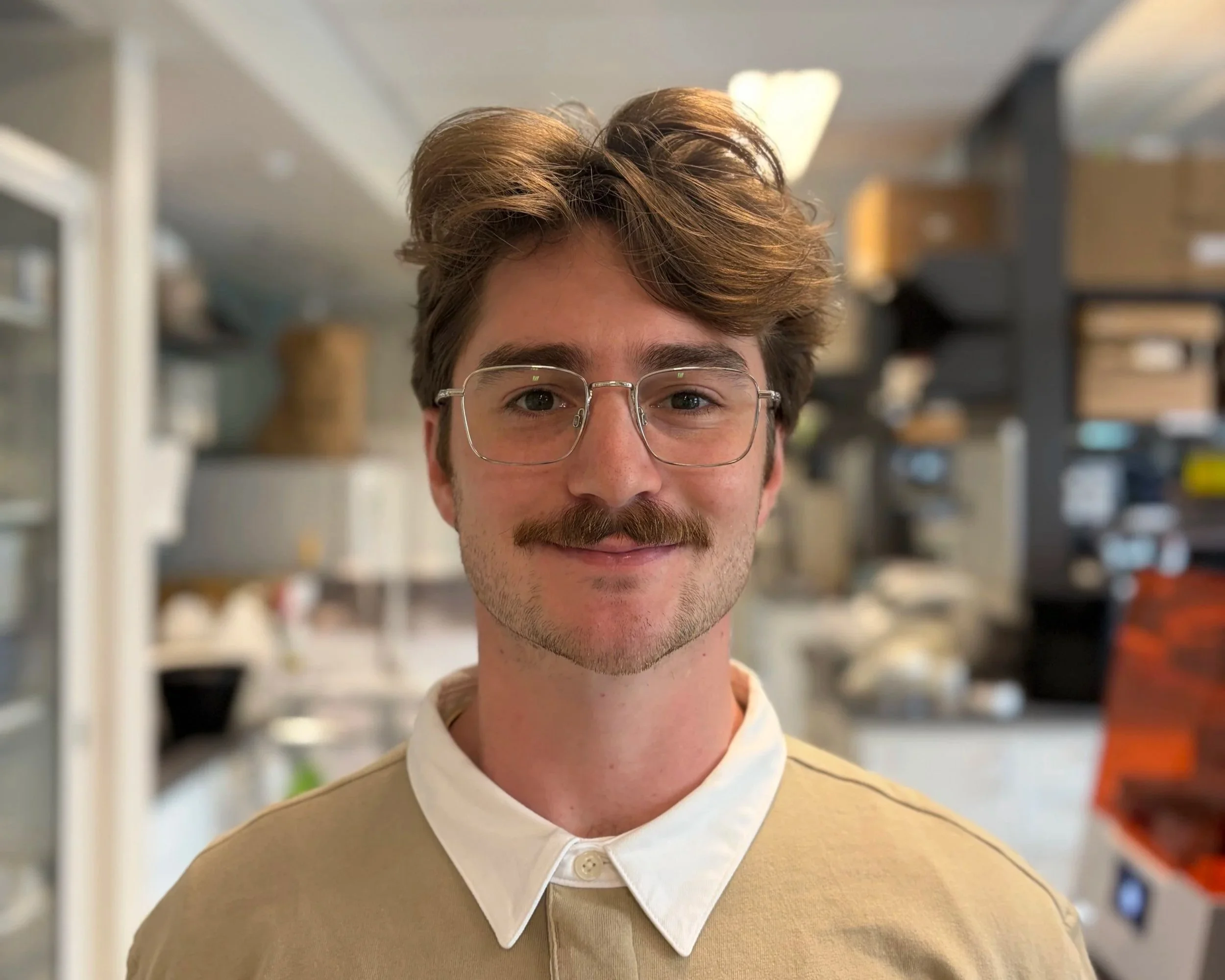
Sam Baron
Sr. Research Project Coordinator II
In 2023, Sam received his BA in Sociology with minors in Microbiology & Immunology and the Social Studies of Medicine from McGill University in Montreal, Quebec. While there, he conducted research on the ethics of large-language model usage in digital disease surveillance applications under Dr. Nicholas King in the Surveillance Lab at the McGill University Health Centre. In 2024, Sam moved to the Johns Hopkins Bloomberg School of Public Health, where he completed his MSPH in International Health and received additional certificates in Epidemiology, Public Health Informatics, Digital Health, and Evaluation. He was a recipient of the Mary and Carl Taylor Award for International Bioethics and a Global Health Established Field Placement, which sent him to Macha, Zambia to work on the CEIRR influenza surveillance study under Dr. Katie Sutcliffe. His master's capstone was an evaluation of the effective use of novel air sampling technologies for airborne viral surveillance in low-resource contexts, conducted in collaboration with Johns Hopkins, Macha Research Trust, and the University of Wisconsin. Sam joined the McMeniman Lab in 2026 as a research coordinator and epiodemiologist, with his primary responsibilities being study implementation on the ground in the US and Zambia, as well as data management, analysis, and institutional compliance.
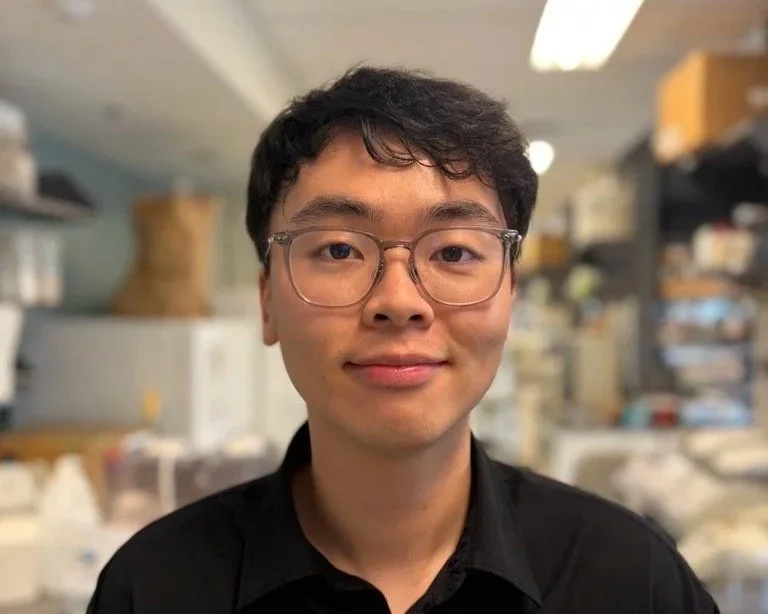
Junyi Zhao
Masters student
Junyi is a first-year ScM student in the Department of Molecular Microbiology and Immunology at the Johns Hopkins Bloomberg School of Public Health. He graduated with a BSc in Biological Sciences from the Southern University of Science and Technology, Shenzhen, China in 2026. His previous research focused on microbial genomics, host–microbiome interactions, and the role of gut microbiota in neurodevelopmental disorders. Junyi investigated links between the gut microbiota and autism spectrum disorder (ASD), performing differential abundance analyses of clinical ASD microbiome datasets and characterizing microbiota–brain–gut axis pathways. In parallel, he conducted research in environmental microbial genomics, where he developed rapid source-tracking approaches for foodborne Vibrio parahaemolyticus. Junyi joined the McMeniman Lab for his first rotation in September 2026. Under the guidance of Diego Giraldo and Ziyang Chen, he is executing novel genome engineering and functional imaging approaches in Anopheles gambiae.
Arjun Vaskuki-Kowshik (Masters student) - Ph.D. candidate, Institute of Science and Technology Austria (ISTA)
Adiam Asgedom (Undergraduate Fellow) - M.D. applicant
Lydia Namuganga (Masters student) - M.D. candidate, Harvard Medical School
Henry Childers (Undergraduate Fellow) - Medical Assistant, Dermatology Associates of Concord, Concord, MA
Iman Hassanin (Undergraduate Fellow) - M.D. candidate, University of Miami
Margot Wohl (Postdoc) - Lead Podcast Producer “Chain Reaction”, American Chemical Society
Stephanie Rankin-Turner, Ph.D. (Postdoc) - Assistant Professor, Department of Chemistry, University of Pittsburgh
Christin Hardee, B.A. (Undergraduate Fellow) - Masters student, Bloomberg School of Public Health, JHU
Micaela Feldi, B.S. (Undergraduate Fellow) - Staff, Behavioral Psychology Department, Kennedy Krieger Institute
Jinling Wu, M.S. (Masters student) - Ph.D. candidate, Case Western Reserve University
Noor Al-Saloum, B.S. (Undergraduate Fellow) - Patient Care Coordinator, Shepard’s Clinic Baltimore
Kristen Alicea-Jorgenson, B.S. (Undergraduate Fellow) - Masters student, Bloomberg School of Public Health, JHU
Zakiya Carter, B.S. (Undergraduate Fellow) - M.D. candidate, University of Massachusetts TH Chan School of Medicine
Brandon Feole, B.S. (Undergraduate Fellow) - Ph.D. candidate, Stony Brook University
Andrew Hammond, Ph.D. (Postdoc) - Chief Scientific Officer, Biocentis
Levina Lim, M.S. (Masters student) - Research Associate 3, DermBiont, Inc
Emilio Miret, B.S. (Undergraduate Fellow) - M.D. candidate, School of Medicine at Hofstra/Northwell
Gibran Nasir, M.S. (Masters student) - M.B.A. candidate, Harvard Business School
Luisa Otero, Ph.D. (Postdoc) - Staff Scientist, CDC Dengue Branch, Puerto Rico
Ana Perez-Lebron, M.S. (Masters student) - Senior Research Associate, Labcorp
Hebe Rosado, M.S. (Masters student) - Senior Associate, Amgen
Shruti Shankar, Ph.D. (Postdoc) - Research Associate, Brandeis University, Garrity Lab
Genevieve Tauxe, Ph.D. (Postdoc) - Research Scientist, University of Washington, Riffell Lab
Lais da Silva Pereira, Ph.D. (Postdoc) - Staff Scientist, Center for Biologics Evaluation and Research (CBER) | FDA
Alumni